Installing a Plumbing System: How to do Plumbing Installation
How to do a plumbing Installation?
In any new place, the plumbing installation will consist of three components that are fixture/appliance set, a system of water supply, and drainage system. One should be an experienced plumber or work with one to install plumbing. Below, we will tell you how to install a plumbing system.
Items Required for a Plumbing Construction Job
1. Local plumbing codes
There are multiple laws in each state which regulate the way an owner of a home can accomplish plumbing installation. New construction plumbing codes will assist you to install construction plumbing safely. All the codes can differ from state to state. But there are some codes that remain universal.
The National Uniform Plumbing Code is applicable throughout a nation. To find out what can be different, you can review this plumbing code, and the department of your local plumbing.
2. System of water supply
The water’s pressurized supply goes into a house on one main line. This can be under the frost line, the depth at which groundwater can freeze. This will keep the line from damaging and freezing the pipes.
After entering the house with the essential line, it will branch into two. One will supply water that is cold, and on the other side, it will connect with the hot water system. Then all fixtures and appliances can be fed cold and hot water.
3. Pipes of the vent
Without any constant air source, water locks may cause clogs and form drainpipes. Often there is one venting at the rear of the sink which is vented to allow for appliances and other fixtures to connect within 10 ft of the common line of the vent. Pipes of the vent are two inches in their diameter and connect with the soil and vent stack in the home’s attic. The fixture is not placed near the vent, but rather an extra pipe of the vent is used for the fixture to connect to the exit lines, stacks on the roof, and so forth, depending on the home’s layout.
4. Drain Pipes
A main soil and vent stack that is usually four inches in terms of its diameter goes vertically from under the ground floor to above one’s roofline. Waste drains can connect to a stack that directs the waste downwards to the main drain of the sewer. It then goes outside the home below the frost line and unites with the main system of sewer or goes towards a personal septic system.
6. Connecting the water pipes to the copper pipes
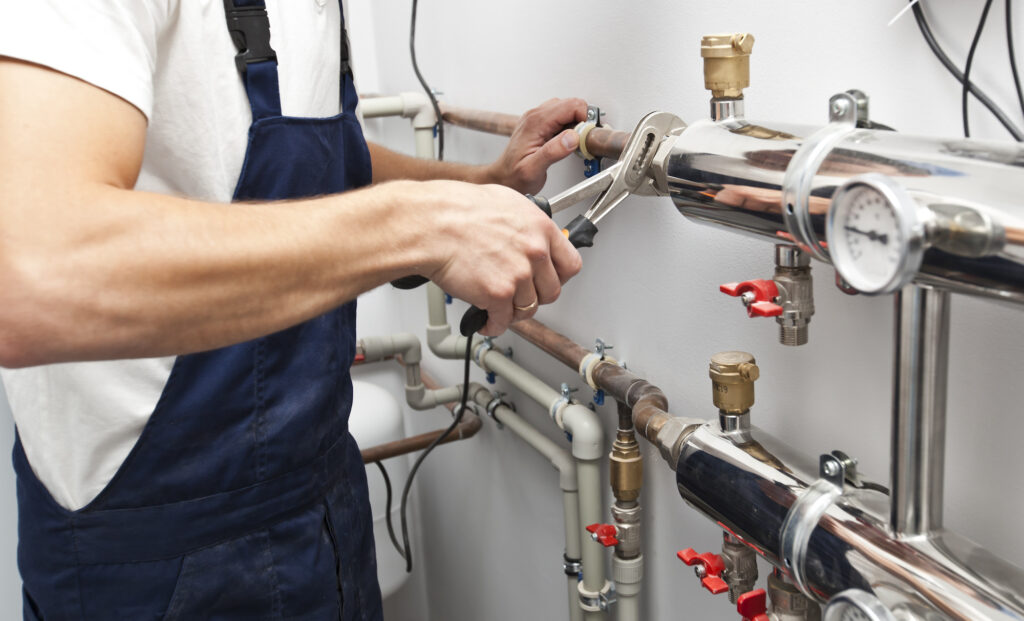
Once you have verified that the drains are clear and that the vents are clear, you can check where to put the supplies. If you have never done copper piping, it’s a good idea to practice sweating joints and cutting the copper pipe. With a horizontal pipe, it is simple to install from the basement or the crawl space. The supply lines should not pass through the vents and drain pipes. At the same time, if they leak, you will have a puddle.
If the copper installation is done along studs, the installation should include nailing plates on the surface of the copper, adjacent to the studs. Copper tubing is easily pushed through, and be sure not to accidentally cut through the supply lines when replacing the drywall.
6. Traps
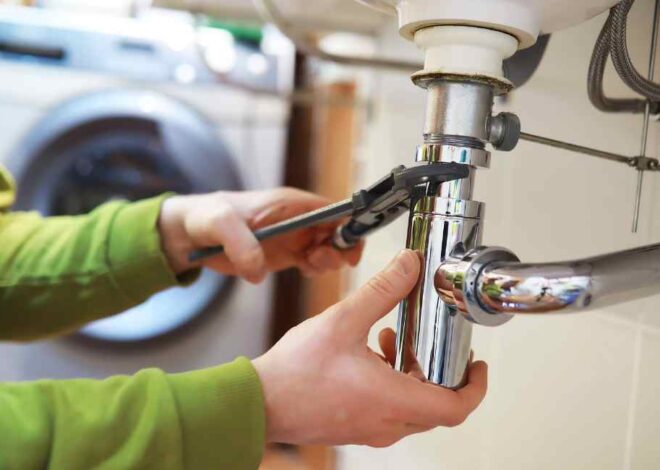
The easiest to spot element in any plumbing system is a trap. The pipes that are connected to the bottom of shower drains, bathtub drains and sinks are U-shaped. Their role is to use a small amount of liquid to prevent the gasses of the sewer from backing into the house.
This is the secluded Underground Phase of Rough-in
With the new construction of plumbing, there are two types of groundwork that can take place. The groundwork can be buried, installed or inspected on the same day as the walls are poured in the basement, as in the rest of the rough-in plumbing. At the time of the phase of rough-in, the plumber will locate the entire supply and the waste connection from your building system till the public utilities and all the establishments at the location where the system will leave or enter your home.
This means that all of the drains will get hooked up for the main essential service, and the basement bathrooms will have to be installed. The main line of the water should also be made to pass through service to an area where the placenta of the meter will be located.
The “above-ground” part of the Rough-in
The rough-in phase could be part of your ground work phase. However, this will not always be the case. Most of the drains, vent pipes and water lines will need to be installed during this stage. You will even need to fit shower bases, bathtubs and showers into the home. It will need to be done regardless of the type of home—whether it’s a new home, home remodeling, or basement development.
As the rough-in is done above ground, any plumber can open holes in the floor, wall and ceiling to install or attach pipes to the fixtures. The various waste and supply systems must be installed in the pipes. The special chemicals can be connected by plastic pipes and pipe runs by means of soldering and welding pipes. Can run power threading, some powerful tools and propane torches.
All the gas lines installed must be before you can start installing drywall. This is always part of the stage of the rough-in plumbing but is left to another contractor when a plumber doesn’t have any gas ticket. You’ll need to see whether the plumber for hire tests each one before all the walls are closed up.
Final words
When installing a plumbing system in a home, one of the first things that must be done is the installation of the drains and vents for the system. In addition, you have to take care of your supply lines. The above and below ground phase, too. You can visit plumbingconcepts.com, and get in touch with professionals for Plumbing installation in your home. Therefore, in case you are thinking about installing a plumbing system in your new home, then you can reach the above mentioned website.
FAQs
How long does a plumbing installation take? (1st question)
It is subject to the size of the project. It can take anywhere from 1-2 days for a bathroom installation, and much longer for a full home or commercial plumbing installation, which takes a week or more.
2. What’s the difference between residential and commercial plumbing installation?
Residential projects typically include bathrooms, kitchens and laundry; and commercial projects will have larger piping, more fixtures and the larger demand for water.
3. Do I need to hire a plumber to install plumbing?
While some plumbing fixture replacements might be able to be done at home, installing a whole plumbing system is best left to licensed professionals.
4. What are the prices for plumbing service in Corona, CA?
The price will vary depending on materials, labor and the size of the project. The best way to get a good estimate is to contact plumbers Corona CA such as Plumbing Concepts.
5. What makes Plumbing Concepts the best choice when it comes to plumbing installation?
Years of experience, expert technicians, and reliable service, Plumbing Concepts offers superior pipe installation and fixture set up services to homes and businesses in Corona.