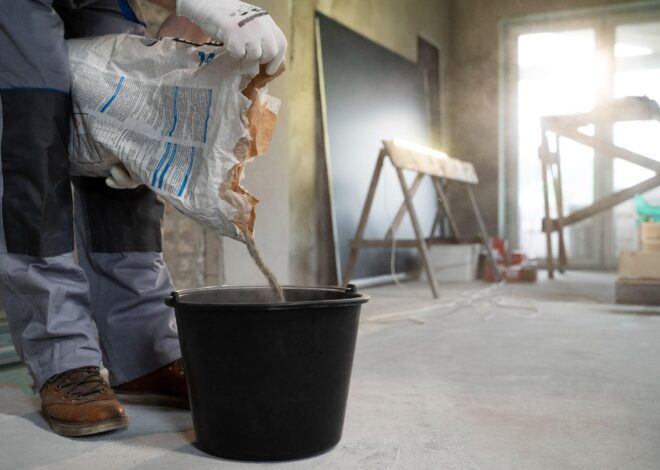

Common Building Materials Used For Quick Repairs and Maintenance
Building materials are natural or manufactured substances used in the construction, maintenance, or repair of houses, buildings, bridges, and other structures. But when it comes to making quick repairs or handling urgent maintenance, you need materials that are fast-curing, reliable, easy to apply, and highly versatile.
If you have been searching for such building materials, you are in the right place. In this informative guide to building materials, we will outline the most efficient options.
Quick-Setting Concrete and Patching Compounds
As their names suggest, quick-setting concrete and patching compounds are used for rapid patching and are required to repair concrete damage. However, they offer the same advantage over traditional concrete jobs. These building materials can repair concrete pavement in 10 to 15 minutes, mending chipped steps, cracks, and floor slabs. Additionally, they can be used for a variety of repairs across stone, masonry, and stucco.
Polyjacking
Polyjacking, also known as polyurethane concrete lifting or foam jacking, is a modern, highly effective method for repairing and leveling sunken concrete slabs by injecting high-density polyurethane foam beneath them. It is widely used for quick repairs to sidewalks, driveways, patios, pool decks, and garage floors.
Drywall Joint Compound (Mud):
Drywall joint compound, commonly known as drywall mud, is a gypsum-based paste used to finish drywall joints, embed joint tape, and patch holes or cracks in walls and ceilings. This premixed paste is the most convenient option for general maintenance because it is easy to apply and fully cures in 24 hours, making it ready for use afterward. It is also a perfect choice for filling small dental textures.
It is ideal for deep holes and urgent repairs because it comes in specific setting times ranging from 5 to 90 minutes.
Sealants and Caulk
Caulks and sealants are also building materials used for quick repairs and maintenance. But make sure to choose the right base material to achieve a secure, watertight, and airtight seal. Common types of caulk and sealants include silicone sealant, acrylic latex caulk, silicone latex caulk, polyurethane sealant, and butyl rubber sealant.
All of these sealants and caulks serve different purposes, so when choosing them, consider their specific needs for longevity and maintenance.
Spray Foam and Foam Sealants
Spray foam and foam sealants expand to fill large, irregular gaps, stop drafts, and block pests. Because they expand significantly upon application, choosing the right type helps prevent damage to sensitive areas, such as window frames.
Lumber and Plywood Boards
Lumber and plywood boards form the backbone of structural repairs, temporary bracing, and surface repairs. Having the correct dimensions, grades, and wood treatments on hand prevents project failures caused by rot, warping, or structural bowing.
Plastic and Metal Repair Putties
Plastic and metal repair putties are hand-mixable, two-part epoxies that can fill voids, seal leaks, and rebuild missing material. Sold as dense sticks with the hardener embedded in the core, you simply slice off the amount you need and knead it until it reaches a uniform color.
Once fully cured, these compounds harden to a dense, machinable finish that can be drilled, sanded, tapped, and painted just like real wood or metal.