
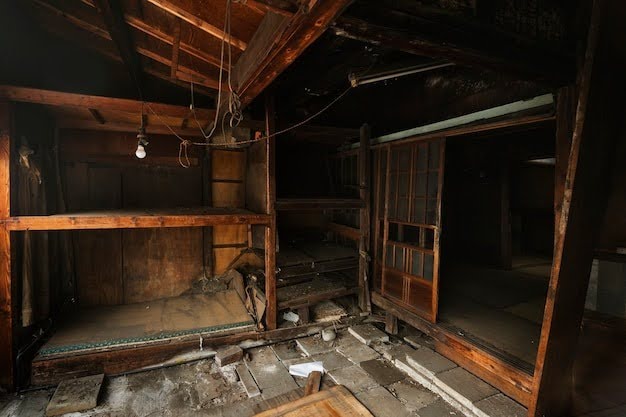
5 Things to Consider Before Crawl Space Encapsulation
Crawl space encapsulation is an effective way to manage moisture beneath your home and protect important building materials. However, before starting a project, homeowners should understand the condition of their crawl space, existing moisture problems, and the improvements required. Proper planning helps ensure the system works effectively and provides long-term benefits.
1. Identify Existing Moisture Problems
Before installing an encapsulation system, determine where moisture is coming from. Standing water, damp soil, plumbing leaks, and groundwater intrusion can create problems beneath your home.
Crawl space encapsulation helps reduce moisture entering through exposed soil, but it cannot correct every water issue. Inspecting the area helps identify whether drainage improvements, plumbing repairs, or a sump pump are necessary.
2. Inspect the Foundation and Wooden Structures
The condition of your foundation and supporting structures should be evaluated before work begins. Look for damaged wooden beams, deteriorating floor joists, foundation cracks, and signs of mold.
Crawl space encapsulation can help control moisture, but it cannot repair existing structural damage. A professional inspection can identify problems that require immediate attention.
3. Choose Suitable Encapsulation Materials
Selecting appropriate materials is essential for a durable installation. Crawl space encapsulation commonly involves placing a moisture-resistant vapor barrier over exposed soil and may include covering foundation walls with suitable materials.
The thickness, durability, and installation method should match the crawl space conditions. Homeowners should compare available options and choose materials designed for the intended application.
4. Consider Ventilation and Humidity Control
Encapsulation changes the way a crawl space manages moisture and air movement, so ventilation and humidity control require careful planning. Crawl space encapsulation may be combined with a suitable dehumidifier to maintain appropriate humidity levels.
However, the correct approach depends on the home’s design, climate, and local building requirements. Homeowners should consult a qualified professional before sealing vents or changing ventilation arrangements.
5. Understand the Project Cost and Maintenance
Before starting, establish a realistic budget that includes materials, labor, necessary repairs, and additional moisture-control equipment. Crawl space encapsulation costs vary according to the size of the area, accessibility, existing damage, and installation requirements.
Request detailed estimates from qualified contractors and clarify which services are included. Homeowners should also plan for periodic inspections, humidity monitoring, and maintenance of equipment such as dehumidifiers or sump pumps.
6. Select an Experienced Contractor
Choosing a qualified contractor can make a significant difference in the quality of the installation. Ask about relevant experience, materials, warranties, and the proposed moisture-control plan.
Before approving crawl space encapsulation, ensure the contractor explains how existing water problems will be addressed and how the finished system will be inspected. Comparing written estimates and checking references can help homeowners select a reliable professional.
Final Thoughts
Preparing carefully before crawl space encapsulation helps homeowners achieve better results and protect their investment. Identifying moisture sources, inspecting structural materials, choosing suitable barriers, planning humidity control, understanding costs, and selecting an experienced contractor are important steps. Each factor contributes to a more effective moisture-management system. By addressing existing problems before installation and maintaining the system afterward, homeowners can help protect their property from moisture-related deterioration and maintain a more comfortable indoor environment.