Everything You Need to Know about a Sump Pump
A sump pump is a device used to prevent crawl spaces and basements from flooding. It is located at the lower part of the floor and collects water from rain. It then pushes it outside away from the space.
Installing this pump is crucial if you live in an area where heavy rainfall is the norm. It helps protect your property from water and pushes it away quickly.
In today’s article, we’ll talk about how it is installed, how it works, and how its functioning affects gutters. Let’s get started.
How Sump Pump Installation Works
During sump pump installation, the contractor will first choose the lowest point where water pools. They’ll also cut and break the floor if they’re installing inside a basement. They then dig a deep, wide hole.
The next step involves placing the sump pump on a level base inside the basin to block debris. A PVC discharge pipe, along with a check valve, is attached to prevent water from flowing back into the pit. The contractor will also drill a hole in the discharge pipe to stop air locks.
Before turning it on, the power and float cords are secured so they don’t block the float switch. The pump is finally plugged into a dedicated circuit.
How the Pump Actually Functions
First, water gets into a pit that you have dug in the basement floor. As the water gets higher, a float switch moves. It will turn the pump on when the water hits a set level.
Now, the pump pushes water through a pipe and out of your house. It keeps doing this until the water level goes down. Ultimately, the float drops and turns the pump off.
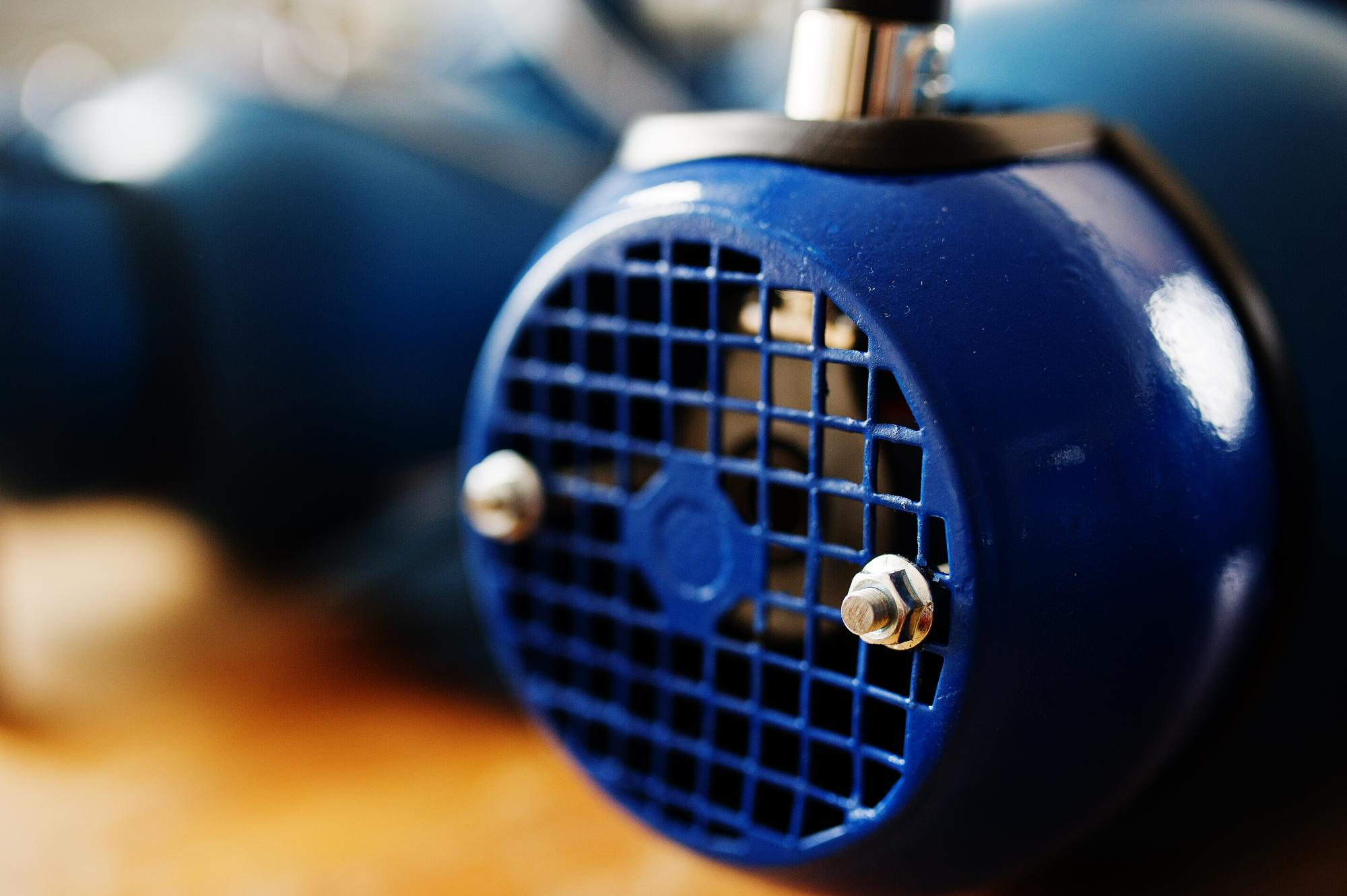
It’s important to note that sump pumps come in two types. The submersible one sits right inside the water in the pit. It is hidden and works quietly. The pedestal type has a motor that sits above the pit. It is easier to fix, but it also makes more noise.
How Seamless Gutters Can Work with Sump Pumps
Both seamless gutters and sump pumps can work together to protect your home by keeping groundwater away from the foundation.
But it’s important that the gutter downspouts and sump pump discharge lines are kept in separate underground pipes. Tying them together can lead to foundation flooding, as the roof runoff can back up into the sump line.
You should also discharge the water at least 5 to 10 feet away from your exterior walls. This will prevent it from recycling back into the soil.
Who Should Be Trusted to Install a Sump Pump?
You should only work with a licensed plumber who can deliver the correct sizing, safe water discharge, and proper electrical hookups.
A pro will first find the lowest point where water naturally pools. They also install dedicated GFCI circuits to prevent electric shocks. The discharge lines should also be taken safely away from foundations. A professional will also offer a guarantee if the equipment fails.
Final Thoughts
Installing this device will protect your property’s foundations and save you from a lot of headaches. You just need to find a reliable installer who can smoothly finish the job based on your unique needs.