Cost Effective Strategies For Residential Climate Control Systems
Residential climate control systems are essential for maintaining comfort throughout the year. In many homes, cooling and heating costs continue to rise due to aging equipment and inefficient usage patterns. Small improvements in system management can significantly reduce monthly expenses. Strategic upgrades, timely maintenance, and smart decision-making help balance comfort with affordability. Understanding how to manage air conditioning and heating systems efficiently is key to long-term savings without sacrificing indoor comfort.
Energy Efficient Home Climate Basics
Energy efficiency in residential climate control focuses on reducing wasted power while maintaining stable indoor temperatures. It involves proper system sizing, regular servicing, and mindful usage habits. Many homeowners overlook how much energy is lost through poor insulation or outdated units. Simple adjustments like sealing air leaks and using programmable thermostats can improve performance. Efficient systems also reduce strain on mechanical components, extending their lifespan and lowering overall operating costs.
Smart Planning For Ac Replacements Cost Savings
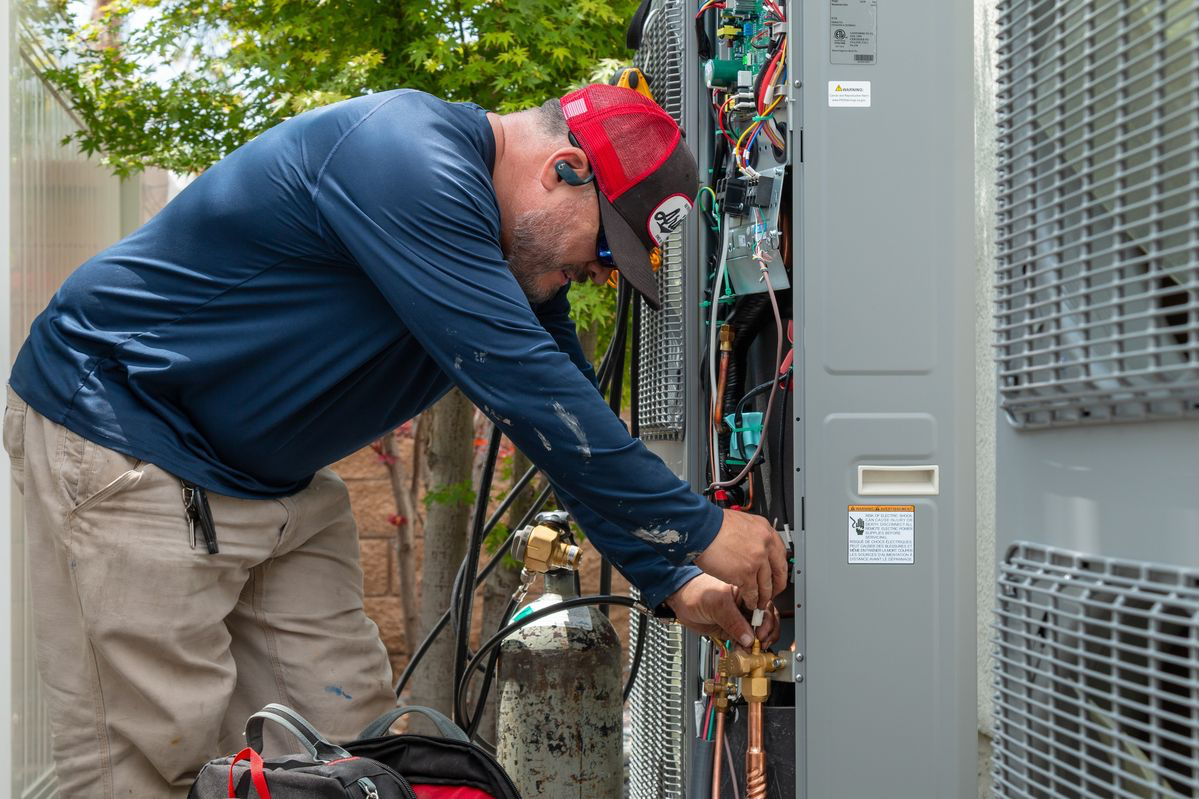
AC replacements refer to the process of removing outdated air conditioning units and installing modern, energy-efficient models. These upgrades are often necessary when systems become unreliable or expensive to operate. Smart planning for AC replacements cost savings involves evaluating SEER ratings, cooling capacity, and long-term energy consumption instead of just upfront price. Choosing the right time for replacement can prevent sudden breakdowns during peak summer months. Proper planning ensures lower electricity bills and improved cooling performance over time.
Practical Tips For Home Furnace Repair Efficiency
Home furnace repair involves diagnosing and fixing issues in residential heating systems to restore proper function and safety. It can include replacing worn components, cleaning burners, or fixing airflow blockages. Efficient home furnace repair strategies focus on early detection of problems such as uneven heating or unusual noises. Addressing minor issues quickly prevents costly breakdowns later. Regular servicing also improves fuel efficiency and ensures consistent warmth during colder seasons. A well-maintained furnace consumes less energy and operates more reliably throughout winter.
Seasonal Maintenance For Stable Indoor Temperatures
Seasonal maintenance plays a crucial role in keeping climate control systems stable and efficient. Before summer and winter peak seasons, checking filters, coils, and ductwork ensures smooth operation. Dust buildup and clogged components can reduce airflow and force systems to work harder than necessary. Routine inspections help identify small issues before they become expensive repairs.
Insulation And Airflow Optimization For Lower Bills
Proper insulation and airflow management directly impact energy consumption in residential buildings. Good insulation keeps conditioned air inside, reducing the load on heating and cooling systems. Meanwhile, balanced airflow ensures even temperature distribution across rooms. Poor ventilation often leads to hot and cold spots, making systems run longer than needed. Simple improvements like sealing windows and cleaning vents can significantly enhance efficiency and reduce monthly utility bills.
Upgrade Timing Strategies For Aging Cooling Systems
Timing plays an important role when deciding to upgrade cooling systems. Waiting too long can lead to frequent breakdowns and higher repair costs. On the other hand, upgrading too early may not provide maximum value. Monitoring system performance, energy bills, and repair frequency helps determine the right moment. Older units often lose efficiency gradually, making replacement a cost-effective option when repairs become too frequent or expensive.
Conclusion
Cost-effective climate control is achieved through a combination of smart upgrades, timely maintenance, and informed decision-making. Whether it involves ac replacements or home furnace repair, every action contributes to improved efficiency and reduced energy costs. By focusing on prevention and strategic improvements, homeowners can maintain comfortable indoor environments while keeping long-term expenses under control.